
Introduction
Creating a Backyard Landscaping Ideas for Dogsis one of the best things you can do for your furry friend. Dogs love to run, explore, dig, and relax outdoors. But a regular yard can have hidden dangers like toxic plants, sharp edges, or unstable ground. With the right landscaping ideas, you can build a safe, fun, and beautiful outdoor space that both you and your dog will enjoy. This article covers more than 21 creative ideas to help you design a backyard that your dog will absolutely love.
1. Install a Dog-Safe Lawn
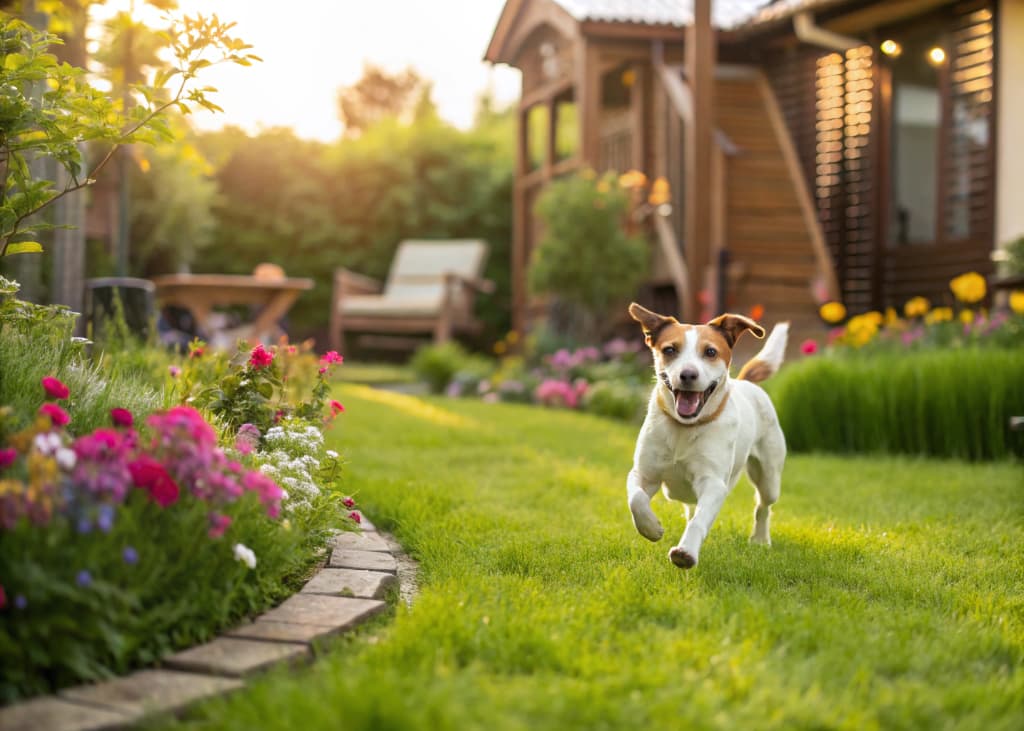
The foundation of any dog-friendly yard is the grass itself. Regular grass can wear out quickly from digging and running. Choose tough grass types like Bermuda or Kentucky Bluegrass that can handle heavy foot traffic. Avoid using pesticides or chemical fertilizers that could harm your pet. You can also use artificial grass in high-traffic zones to keep the yard looking green all year. A healthy, safe lawn gives your dog the perfect playground to zoom around without any risk.

2. Create a Dedicated Digging Zone
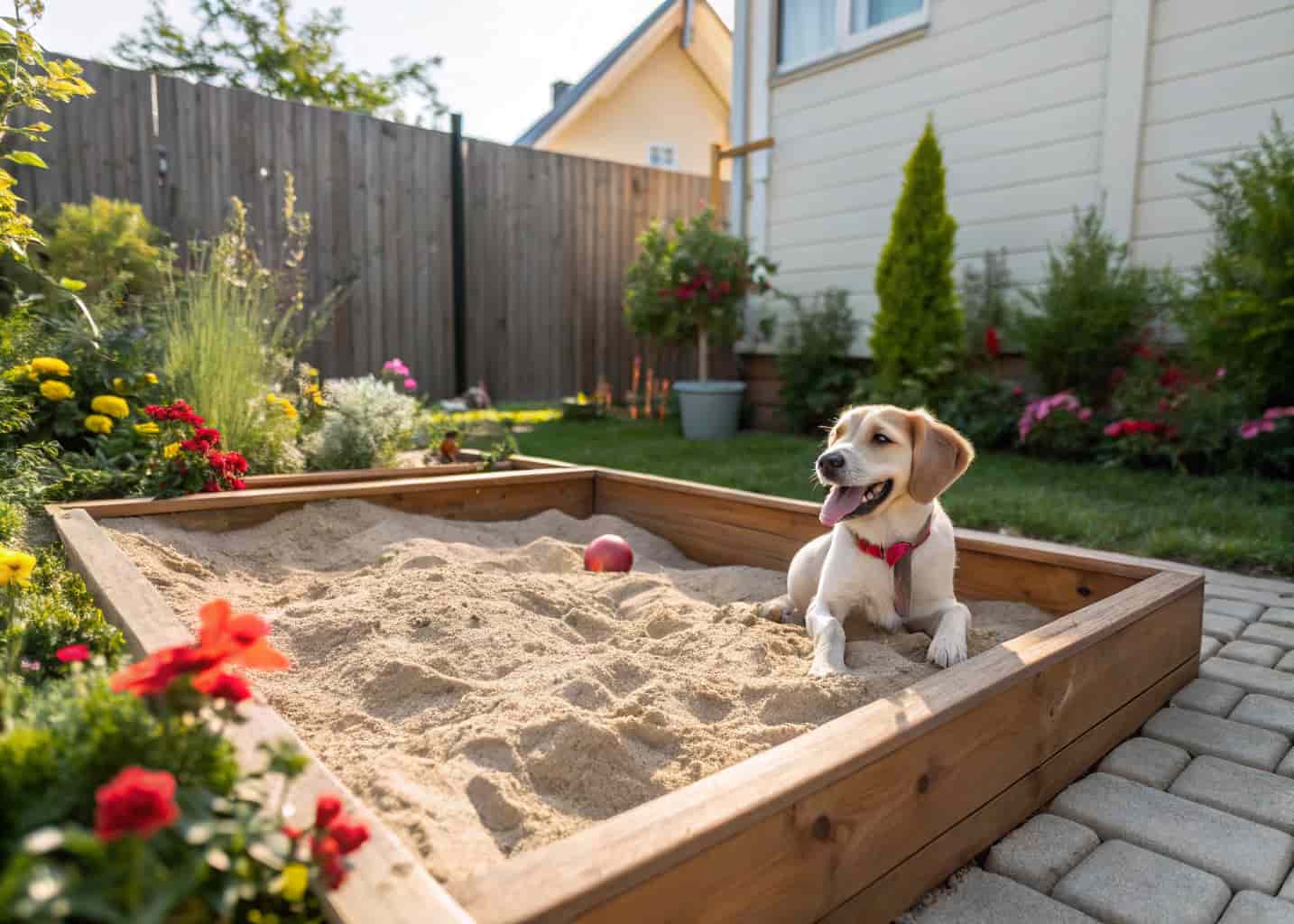
Dogs love to dig — it’s natural behavior that you cannot stop completely. Instead of fighting it, give your dog a special digging area. Use a sandbox or a raised garden bed filled with soft soil where your dog is allowed to dig freely. Place some favorite toys or treats inside to encourage your dog to use that spot. Decorate the border with stones or wood to make it look attractive. This simple solution saves your flower beds and keeps your dog entertained for hours without destroying the entire yard.
3. Add a Dog-Friendly Water Feature
On hot summer days, dogs need ways to cool down. Adding a shallow splash pad, a small dog pool, or a low fountain gives your dog a fun water source. Keep the water clean and fresh to avoid bacteria. A small circulating fountain also adds a beautiful visual element to the yard. You can find dog-specific splash pads online that are easy to install and very affordable. Make sure the depth is shallow enough for small dogs and that the surface is non-slip to prevent accidents during playtime.

4. Build a Dog Run or Pathway
A dedicated dog run is a long, narrow fenced area where your dog can run freely at full speed. It keeps them from tearing up the main lawn. Use gravel, pavers, or mulch as the ground cover inside the run for easy cleaning. Build it along the fence line to maximize yard space. This is especially useful for high-energy breeds like Huskies or Border Collies. A well-designed dog run also gives your dog a safe place to exercise even when you are busy and cannot supervise them closely in the open yard.

5. Use Dog-Safe Plants Only
Many common garden plants are toxic to dogs, including lilies, azaleas, and daffodils. Replace these with dog-safe alternatives like sunflowers, marigolds, rosemary, and lavender. These plants are not only beautiful but also safe if your dog chews on them occasionally. Do your research before planting anything new. Raised garden beds also help keep plants out of reach from curious dogs. A garden filled with safe plants lets you enjoy beautiful flowers without worrying every time your dog sniffs around or nibbles on a leaf.

6. Install Shade Structures
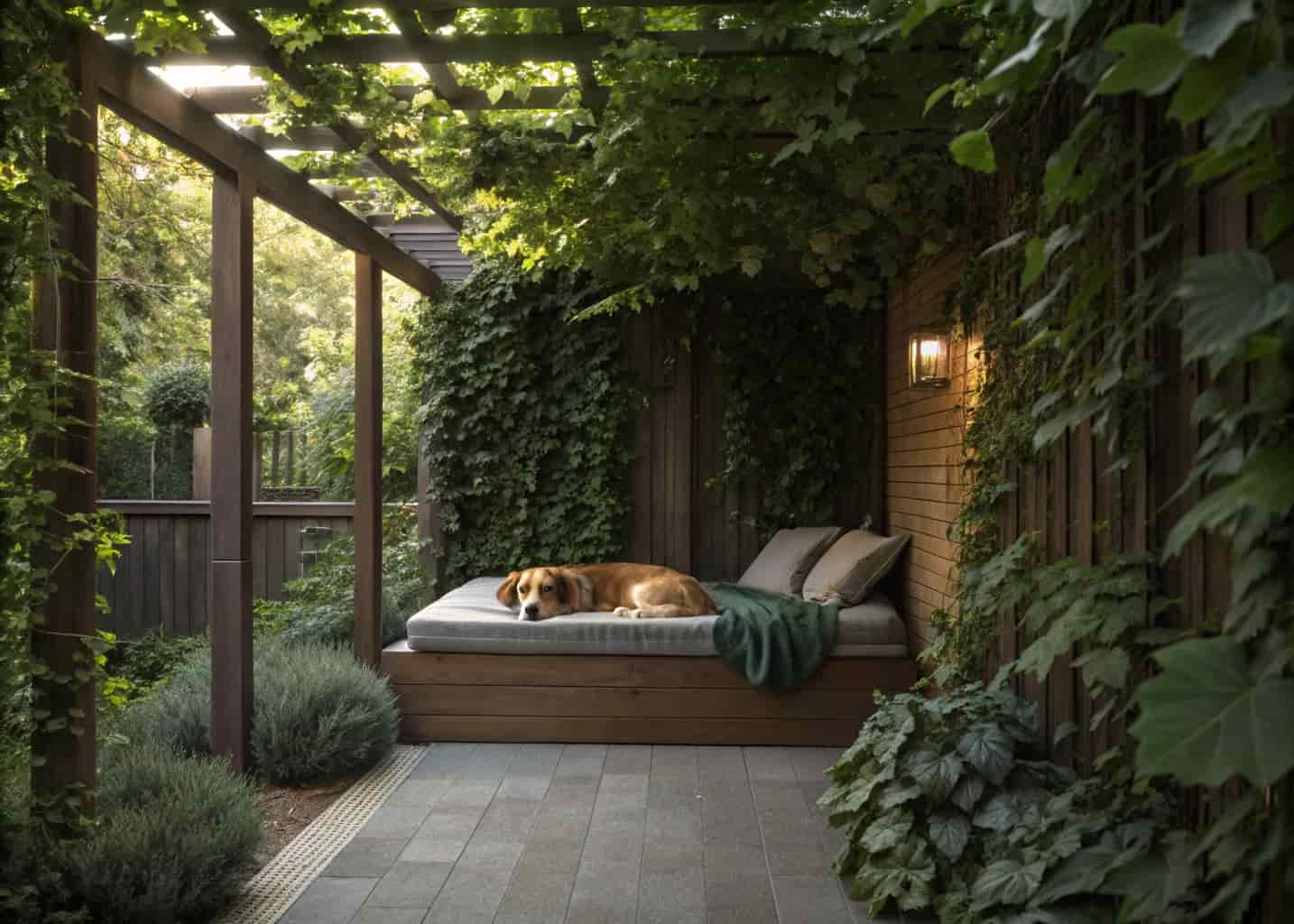
Dogs can overheat very quickly in direct sunlight, especially in summer. Adding shade structures like pergolas, shade sails, or a simple wooden canopy gives your dog a cool place to rest. Plant large shade trees like oak or maple for natural, long-lasting shade. Place a comfortable outdoor dog bed under the shaded area. This not only protects your dog from heatstroke but also gives you a nice shaded seating area. A shaded backyard is a comfortable backyard for the whole family, including your four-legged members during those hot afternoon hours.

7. Set Up an Agility Course
Give your dog both physical and mental exercise by setting up a simple backyard agility course. Use tunnels, weave poles, hurdles, and balance beams made from PVC pipes or wood. Agility training is great for building your dog’s confidence and strengthening your bond. You can start with basic obstacles and add more as your dog learns. Many affordable agility kits are available online. Even if your dog is not a competition dog, agility play is incredibly fun and keeps them engaged, active, and mentally sharp every single day in the backyard.

8. Create a Sensory Garden
Dogs experience the world primarily through smell. A sensory garden uses herbs and fragrant plants to stimulate your dog’s nose and mind. Plant mint, basil, chamomile, and dog-safe herbs in a dedicated area. Add different textures like smooth stones, mulch, and sand for paw stimulation. Wind chimes or rustling grasses add auditory interest. A sensory garden is like a theme park for your dog’s nose. It keeps them mentally engaged and calm while they explore. This is especially helpful for older dogs or breeds with high mental stimulation needs.

9. Install Secure Fencing
A secure fence is the most important safety feature in a dog-friendly backyard. Choose a fence that is tall enough for your dog’s breed — at least 6 feet for large breeds. Make sure there are no gaps, loose boards, or areas where your dog can dig under the fence. Buried wire along the base can prevent escape attempts. A fence not only keeps your dog in but also keeps other animals out. Decorative wooden privacy fences, chain link, or vinyl are all good options depending on your budget and the style of your home.

10. Add a Dog Door or Easy Yard Access
Give your dog the freedom to go in and out of the yard independently with a dog door. Install it in your back door or a garden gate for easy access. This is especially useful on days when your dog needs to go outside frequently. Make sure the flap fits your dog’s size. A small covered porch or mudroom near the door makes it easy to wipe muddy paws before your dog enters the house. Adding a paw washing station with a small basin and towel hook near the entry point makes cleanup simple and keeps your home clean.

11. Build a Raised Dog Deck or Platform
Dogs love elevated spots where they can survey their territory. Build a small raised wooden platform or deck area just for your dog. It gives them a resting spot with a great view of the yard. Use weather-resistant wood like cedar and add non-slip rubber matting on the surface. Place a cozy waterproof dog bed on top. This becomes your dog’s personal lookout tower and resting place. It also adds a charming architectural feature to your backyard. Paint or stain it to match your home’s exterior for a polished and cohesive outdoor design look.

12. Use Mulch in Garden Beds
Mulch is a great ground cover option in garden areas, but choose the right type for a dog-friendly yard. Avoid cocoa mulch, which is toxic to dogs. Instead, use cedar mulch or pine bark mulch, which are both safe and naturally repel fleas. Mulch keeps weeds down, retains moisture in the soil, and gives the yard a tidy, finished look. It also cushions your dog’s paws when they walk through garden areas. Keep mulch layers moderate so they don’t become too hot in the summer sun during long afternoon play sessions.

13. Create a Cool Shaded Resting Nook
Every dog needs a quiet place to retreat and relax. Create a cozy shaded nook using a wooden frame covered with a waterproof canopy or surrounded by tall bushes. Add a comfortable raised outdoor dog bed and a water bowl. This private, calm space gives your dog a sense of security and comfort outdoors. It also makes it easier for your dog to nap outside without overheating. Decorate the surrounding area with dog-safe plants and smooth stepping stones to make it look like a stylish retreat that fits naturally into the overall backyard landscape design.
14. Install Motion-Activated Sprinklers
Motion-activated sprinklers serve two purposes in a dog-friendly yard. They can keep unwanted animals like squirrels and rabbits out of your garden beds, and they can be set up near specific zones to keep your dog from entering areas like freshly planted sections. They also double as a fun water game for dogs who love playing in water. Most systems are adjustable so you can set the sensitivity and range. Just make sure the water is cool and not pressurized too strongly. This is a smart, humane, and very effective backyard management tool.

15. Design a Dog Wash Station
After outdoor play, muddy dogs need a quick and easy cleaning solution. Build a simple outdoor dog wash station with a handheld hose attachment, a low basin, and a non-slip mat. Add a towel rack and a small shelf for pet shampoo and grooming supplies. Cedar or teak wood frames work well outdoors and look very stylish. Having this station right in the backyard saves you from bringing a dirty dog through your house. It keeps your home cleaner and makes bath time faster and less stressful for both you and your dog.

16. Use Pea Gravel in High-Traffic Zones
Pea gravel is one of the best ground cover choices for dog-friendly yards. It is comfortable under paws, drains well, and stays cool in warm weather. Use it in high-traffic areas where grass tends to die, around pathways, or in dedicated potty zones. It is easy to clean — just rinse it with a hose. Pea gravel also looks clean and polished as a design element. Pair it with flat stepping stones and edging borders to create a structured, attractive look. Just make sure to choose smooth, rounded pea gravel and not sharp crushed stone that could hurt paws.

17. Plant a Grass-Free Zone
If your dog is a heavy runner or digger, consider creating a completely grass-free zone using durable ground covers. Options include clover, thyme, or artificial turf. Ground-cover clover is soft, non-toxic, drought-resistant, and bounces back quickly after heavy use. Creeping thyme is also dog-safe and smells wonderful when stepped on. These alternatives look beautiful and require far less maintenance than traditional grass. They are also more resistant to yellow spots caused by dog urine. A grass-free zone can actually look more intentional and stylish than a patchy, worn-out lawn trying to survive constant dog activity.

18. Add Interactive Outdoor Toys
Outdoor enrichment keeps dogs happy and prevents destructive behaviors. Install permanent outdoor toys like a flirt pole attached to a post, a ball launcher, or a sniffing mat staked in the ground. Hanging rope toys from a low branch or pergola beam are simple and effective. Rotate toys regularly to keep things fresh and interesting. Outdoor puzzle feeders that you can fill with kibble or treats add mental stimulation. These additions encourage your dog to play independently and help burn off energy on days when you are too busy to engage in active play sessions yourself.

19. Build a Raised Garden Bed Wall
Raised garden beds serve a double purpose in a dog-friendly yard. They protect your plants from being trampled and also act as a natural barrier between your garden and your dog’s play zone. Build raised beds using stone, brick, or wood at a height of at least 24 inches. Fill them with beautiful flowering plants, herbs, or vegetables. The elevated design makes gardening easier for you while keeping curious noses away from the roots. Line the base of the beds with a dog-safe barrier. This adds structure and beauty to your backyard while protecting your plants from dog traffic.

20. Create a Feeding and Water Station Outdoors
If your dog spends a lot of time outside, set up a dedicated outdoor feeding and water station. Use stainless steel bowls mounted on a wooden stand and place it in a shaded area. Include a fresh water dispenser that auto-refills from a garden hose attachment. This keeps your dog hydrated and fed without needing to bring them inside during playtime. Add a small storage cabinet nearby for treats and food bags. Make sure the station is easy to clean and away from direct sunlight to keep water cool and food fresh during warmer months of the year.

21. Install Outdoor Lighting for Evening Safety
Evening and nighttime backyard time is just as important as daytime play. Install low solar-powered pathway lights, string lights, or spotlights to illuminate the yard safely. Proper lighting helps you keep an eye on your dog after dark and prevents them from tripping over obstacles. It also deters animals like raccoons that may enter the yard at night. Use warm-toned LED lights that are gentle and do not disturb your dog’s eyes. Well-lit pathways, steps, and fenced areas make the backyard safe and usable year-round for evening walks, play sessions, and relaxed nighttime sit-outs.

Bonus Idea 22: Add a Dog-Friendly Herb Garden
Grow a small herb garden with dog-safe herbs like rosemary, basil, mint, and chamomile. These plants are aromatic, useful for cooking, and perfectly safe if your dog sniffs or nibbles on them. Plant them in a low raised bed or terracotta pots arranged along a sunny wall. This adds greenery and fragrance to your backyard while being completely pet-friendly. You can also dry these herbs for homemade dog treats. A herb garden is a low-maintenance, high-reward addition that benefits the whole family and looks incredibly charming as a decorative garden feature.

Conclusion
A dog-friendly backyard does not have to be boring or purely functional. With thoughtful planning, you can create an outdoor space that is safe, beautiful, and full of fun for your dog. Whether you start with something simple like safer plants and better fencing, or go all out with a splash pad, agility course, and shaded nooks, every improvement you make is an investment in your dog’s happiness and health. Use these 21+ ideas as your guide and customize them to suit your dog’s personality, your yard’s size, and your own style. Your dog will thank you every single day.